

 Automation System
  Energy Engineeing
  Instrumentation System
  Mechanical Engineering
  Piping Technologies
  Transportations
  Manufacturing
  Training Material
Best Torque Wrench for Industrial & Mechanical Use (2026 Buying Guide)
Contents
- 0.1 1. What Is a Torque Wrench?
- 0.2 2. Types of Torque Wrenches
- 0.3 3. Key Features to Look For
- 0.3.1 Best overall (balanced performance)
- 0.3.2 DEWALT 1/2 in Drive Digital Torque Wrench
- 0.3.3 1. Accuracy Rating (MOST IMPORTANT)
- 0.3.4 2. Torque Range
- 0.3.5 3. Drive Size (Compatibility)
- 0.3.6 4. Build Quality & Materials
- 0.3.7 5. Calibration & Certification
- 0.3.8 6. Ease of Use & Readability
- 0.3.9 7. Type of Torque Wrench (Use Case Fit)
- 0.3.10 Product Comparison Table (Key Options)
- 0.3.11 Quick Recommendation
- 0.4 4. Top 10 Best Torque Wrenches (2026)
- 0.5 🥇 Best Overall: Digital + Industrial Performance
- 0.6 🏆 Top 10 Torque Wrenches (Ranked)
- 1 GEARWRENCH 1/2 Drive Electronic Torque Wrench | 85077
- 2 CRAFTSMAN Digital Torque Wrench, SAE, 1/2-Inch, 50-250 FT-LB
- 3
- 4 INSIZE IST-W30A Digital Torque Wrench
- 4.1 📊 PRODUCT COMPARISON TABLE
- 4.2 🎯 Final Recommendation
- 4.3 5. Torque Wrench for Pipe Fittings
- 4.4 6. Torque Accuracy & Calibration
- 4.5 Quick Takeaway
- 4.6 7. Applications Across Industries
- 4.7 8. Manual vs Digital Torque Wrenches
- 4.8 🆚 Product Comparison Table
- 4.9 🎯 Final Takeaway
- 4.10 9. Maintenance and Storage Tips
- 4.11 Conclusion
In modern engineering and piping systems, torque control is not optional—it’s critical. Every bolted joint, threaded connection, or compression fitting relies on precise torque to ensure proper sealing, structural integrity, and long-term reliability. Whether you’re assembling a high-pressure gas system or tightening bolts on industrial equipment, applying the correct torque directly affects performance and safety.
Importance of Torque Control in Engineering and Piping
Torque is the force used to tighten a fastener, but more importantly, it determines the clamping force between connected components. In piping systems—especially those used in industries like oil & gas, semiconductor, and chemical processing—even slight deviations in torque can lead to serious issues.
Proper torque ensures:
- Leak-free connections in high-pressure systems
- Consistent compression in tube fittings (e.g., double ferrule systems)
- Structural stability of flanged and threaded joints
- Compliance with engineering standards and specifications
Using a calibrated torque wrench allows engineers and technicians to apply repeatable and accurate force, eliminating guesswork and improving overall system reliability.
Risks of Over-Tightening vs Under-Tightening
Incorrect torque is one of the most common causes of mechanical failure.
Over-tightening can lead to:
- Stripped threads or damaged fittings
- Deformation of sealing surfaces
- Cracked components (especially in stainless steel or brittle materials)
- Reduced lifespan of equipment
Under-tightening can result in:
- Leaks in fluid or gas systems
- Loosening due to vibration
- Loss of pressure containment
- Increased maintenance and safety risks
In critical applications, both scenarios can cause costly downtime, environmental hazards, or even catastrophic failure.
Who Needs a Torque Wrench?
Torque wrenches are essential tools across multiple industries and roles:
- Engineers – to ensure designs are implemented according to specifications
- Technicians – for precise installation and maintenance of piping systems
- Mechanics – for automotive, machinery, and equipment assembly
- Fabricators & installers – working with tube fittings, flanges, and structural components
In environments where precision matters—like semiconductor gas lines or high-pressure hydraulic systems—a torque wrench is not just a tool, but a requirement for quality and safety control.
1. What Is a Torque Wrench?
A torque wrench is a precision tool used to apply a specific amount of torque (rotational force) to a fastener such as a bolt or nut. Unlike standard wrenches, it ensures that fasteners are tightened to an exact specification—no more, no less.
Definition and Purpose
The primary purpose of a torque wrench is to achieve controlled and repeatable tightening. This is critical in engineering systems where the correct clamping force directly impacts:
- Sealing performance (especially in piping and fittings)
- Structural integrity of joints
- Equipment reliability and lifespan
For example, in tube fittings or flange connections, applying the correct torque ensures proper compression without damaging components.
Units of Torque (Nm, ft-lb, in-lb)
Torque is measured in different units depending on region and application:
- Newton-meter (Nm) – Standard metric unit used globally in engineering
- Foot-pound (ft-lb) – Common in the United States for automotive and industrial work
- Inch-pound (in-lb) – Used for smaller, precision applications (electronics, instrumentation)
Quick reference:
- 1 ft-lb = 12 in-lb
- 1 Nm ≈ 0.7376 ft-lb
Choosing the right unit is important because using the wrong scale can lead to incorrect tightening.
Why Torque Accuracy Matters
Torque accuracy is the difference between a system that works—and one that fails.
A high-quality torque wrench typically offers:
- ±2% accuracy (professional/industrial grade)
- ±4% accuracy (standard tools)
Accurate torque ensures:
- Proper preload in bolts and fittings
- Leak-free seals in piping systems
- Prevention of material deformation or fatigue
In industries like oil & gas or semiconductor manufacturing, even a small torque deviation can result in leaks, contamination, or equipment failure.
2. Types of Torque Wrenches
There are several types of torque wrenches, each designed for different levels of precision, usability, and application.
Click Torque Wrench
The most common type used in automotive and industrial applications.
How it works:
- You set the desired torque value
- The wrench produces a “click” sound when the torque is reached
Best for:
- General maintenance
- Pipe fittings and mechanical work
Pros:
- Easy to use
- Affordable
- Reliable
Beam Torque Wrench
A simple mechanical design with no moving internal parts.
How it works:
- A beam deflects as torque is applied
- A pointer indicates the torque value on a scale
Best for:
- Occasional use
- Situations where calibration stability is important
Pros:
- Durable
- No need for recalibration as often
- Low cost
Digital Torque Wrench
An advanced tool with electronic sensors and a digital display.
How it works:
- Displays torque in real-time
- Alerts user (sound/vibration/light) when target torque is reached
Best for:
- High-precision applications
- Quality-controlled environments
Pros:
- Very accurate
- Easy-to-read display
- Data tracking (in some models)
Dial Torque Wrench
Common in quality inspection and calibration labs.
How it works:
- Uses a dial gauge to show torque applied
Best for:
- Testing and verification
- Calibration work
Pros:
- High accuracy
- Visual feedback
Hydraulic Torque Wrench
Used for heavy-duty industrial applications.
How it works:
- Powered by hydraulic pressure to generate very high torque
Best for:
- Oil & gas
- Power plants
- Large flange bolts
Pros:
- Extremely powerful
- Ideal for large fasteners
3. Key Features to Look For
Choosing the right torque wrench isn’t about brand alone—it’s about matching the tool to your application, accuracy requirements, and working conditions. Professionals typically evaluate torque wrenches based on precision, durability, and usability rather than just price.
Best overall (balanced performance)
DEWALT 1/2 in Drive Digital Torque Wrench
This type of tool represents what most professionals look for: accurate, durable, and easy to use across multiple applications.

1. Accuracy Rating (MOST IMPORTANT)
Accuracy is the core function of a torque wrench.
- ±2% → Professional / industrial grade
- ±4% → Standard / general use
Higher accuracy ensures:
- Proper bolt preload
- Leak-free pipe fittings
- Reduced risk of mechanical failure
👉 Tools like Wera Click Torque Wrench are known for maintaining high precision over time.
2. Torque Range
Every torque wrench operates within a defined range (e.g., 10–100 Nm).
Key rule:
- Choose a wrench where your working torque falls within 20–80% of its range (for best accuracy)
Examples:
- Low torque → instrumentation (in-lb range)
- Medium → pipe fittings, automotive
- High → flanges, industrial bolts
👉 Heavy-duty work may require tools like EGA Master Industrial Torque Wrench
3. Drive Size (Compatibility)
The drive size determines what sockets you can use:
- 1/4 inch → small fasteners, electronics
- 3/8 inch → general mechanical work
- 1/2 inch → industrial & piping applications
👉 A 1/2” drive (like Craftsman Digital Torque Wrench) is the most versatile for engineering work.
4. Build Quality & Materials
Torque wrenches must withstand repeated load cycles.
Look for:
- Hardened steel construction
- Corrosion-resistant coating
- Durable internal mechanism
High-quality brands focus on durability and long-term reliability for industrial environments.
👉 Budget tools (e.g., Performance Tool Torque Wrench) are fine for light use but may drift faster over time.
5. Calibration & Certification
A torque wrench is only as good as its calibration.
Check for:
- Calibration certificate (ISO standards)
- Recalibration interval (typically every 5,000 cycles or 12 months)
- Easy recalibration support
👉 Precision tools like Norbar ProTronic Plus Torque Wrench are designed for high-end calibration environments.
6. Ease of Use & Readability
User experience matters—especially in the field.
Key features:
- Clear scale markings (manual)
- Digital display (for accuracy & visibility)
- Audible/visual alerts
👉 Digital models like GOYOJO Digital Torque Wrench improve usability in low-light or noisy environments.
7. Type of Torque Wrench (Use Case Fit)
Different jobs require different designs:
- Click → general use
- Digital → precision work
- Beam → durability
- Hydraulic → heavy industry
👉 For high-precision applications, digital tools outperform standard click types.
Product Comparison Table (Key Options)
| Feature |
DEWALT Digital Torque Wrench
|
Wera Click Torque Wrench
|
Craftsman Digital Torque Wrench
|
EGA Master Industrial Torque Wrench
|
|---|---|---|---|---|
| Type | Digital | Click | Digital | Industrial |
| Accuracy | High | High | Medium–High | Very High |
| Torque Range | Medium | Low–Medium | Medium | Very High |
| Best Use | Automotive + industrial | Precision fittings | General use | Heavy-duty industrial |
| Ease of Use | Very easy | Easy | Easy | Moderate |
| Price Level | Mid–High | Mid | Mid | High |
Quick Recommendation
- Best Overall: Digital torque wrench (accuracy + ease)
- Best for Pipe Fittings: Click torque wrench
- Best for Heavy Industry: Hydraulic / industrial torque wrench
- Best Budget: Basic click-type wrench
4. Top 10 Best Torque Wrenches (2026)
Choosing the best torque wrench depends on accuracy, torque range, durability, and application (automotive vs industrial vs piping). Below is a curated list of top-performing torque wrenches for 2026 based on real specs, reliability, and use cases.
🥇 Best Overall: Digital + Industrial Performance

DEWALT 1/2″ Drive Digital Torque Wrench (DWMT17060)
Why it stands out:
- Digital precision with real-time feedback
- Wide torque range for multiple applications
- Ideal for piping, automotive, and industrial work
👉 Best balance of accuracy + usability + durability
🏆 Top 10 Torque Wrenches (Ranked)
1. Premium Digital (High Accuracy)
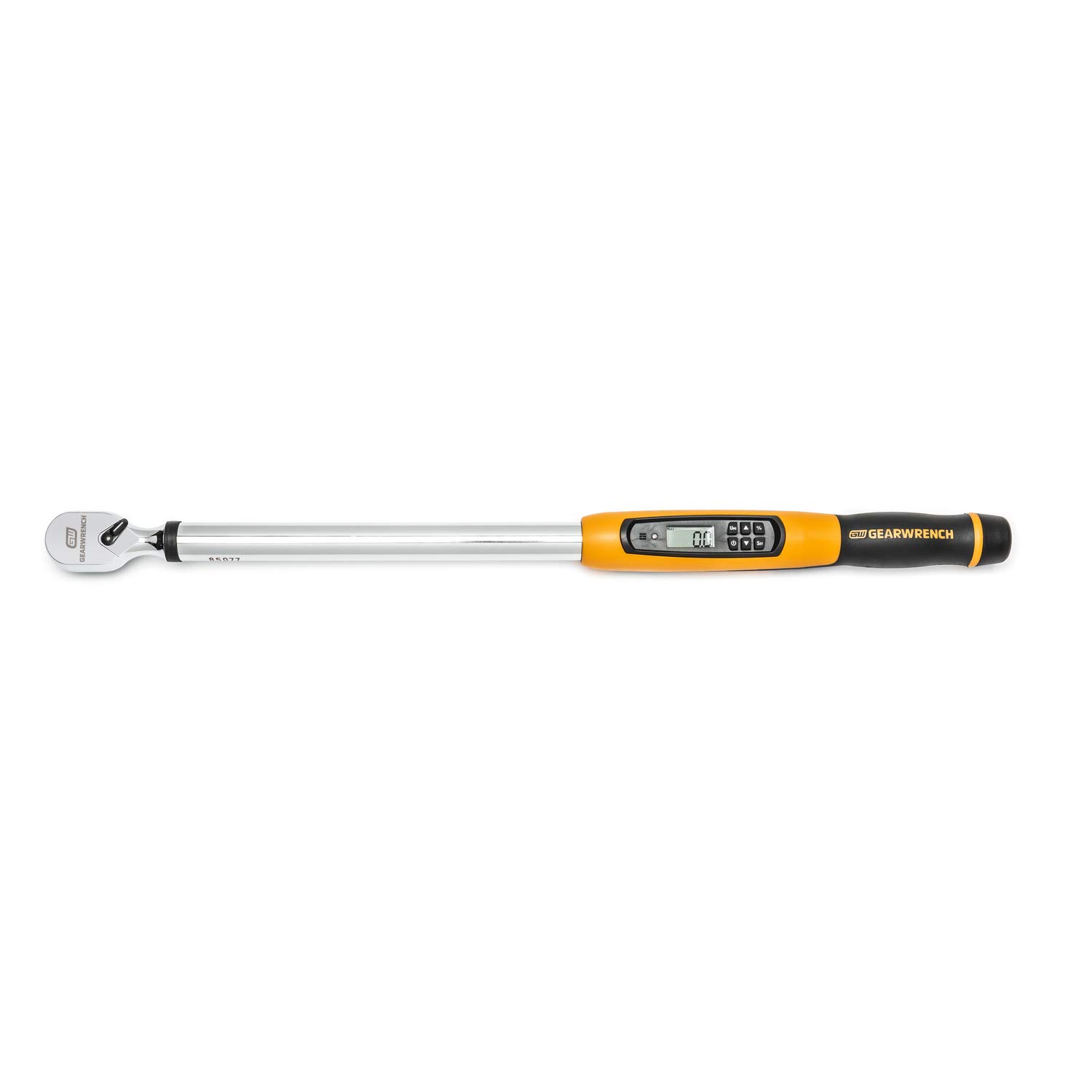
GEARWRENCH 1/2 Drive Electronic Torque Wrench | 85077
- Accuracy up to ±2%
- Stores presets and tracks torque
- Ideal for engineers and precision work
2. Best Mid-Range Digital

CRAFTSMAN Digital Torque Wrench, SAE, 1/2-Inch, 50-250 FT-LB
- Good balance price vs performance
- Easy-to-read display
- Suitable for mechanics & technicians
3. Best Budget Click Wrench

- Simple and durable
- Affordable
- Great for beginners
4. Best Entry Digital Option

- ±1% accuracy (very high for price)
- Audible + visual alerts
- Good for DIY and light industrial
5. Best Heavy-Duty Industrial

- Extremely high torque capacity
- Used in oil & gas, power plants
- Built for large flange bolts
6. Best Mechanical Precision

- Long-lasting accuracy
- No electronics → highly durable
- Ideal for workshops
7. Best for Automotive Work

ACDelco Digital Torque Wrench Combo Kit, 1/2″ Heavy Duty Angle
- Widely used in automotive industry
- Good torque range for cars
- Reliable performance
8. Best Compact Digital Set

- Portable
- Easy to use
- Suitable for tight spaces
9. Best Industrial Range Tool

- Very high torque range
- Used in heavy equipment and infrastructure
- Not for everyday use
10. Best Hybrid Click + Digital

- Hybrid usability
- Good for transitioning users
- Balanced performance
📊 PRODUCT COMPARISON TABLE
| Feature |
DEWALT DWMT17060
|
GearWrench 85077
|
Craftsman Digital
|
GOYOJO Digital
|
GearWrench 1″ Industrial
|
|---|---|---|---|---|---|
| Type | Digital | Digital | Digital | Digital | Mechanical |
| Accuracy | High (±2–3%) | High (±2%) | Medium–High | Very High (±1%) | High |
| Torque Range | Medium–High | Medium–High | Medium | Medium | Very High |
| Best Use | Industrial + automotive | Precision engineering | General use | Budget precision | Heavy industry |
| Ease of Use | Very easy | Advanced | Easy | Very easy | Moderate |
| Price Level | Mid–High | Mid–High | Mid | Budget | High |
🎯 Final Recommendation
- Best Overall: DEWALT Digital Torque Wrench
- Best for Engineers: GearWrench Electronic
- Best Budget: Craftsman Click / GOYOJO Digital
- Best Industrial: GearWrench 1” or Insize
👉 If you work in piping, oil & gas, or semiconductor, go for:
- Digital (precision) OR
- Industrial-grade (high torque)
5. Torque Wrench for Pipe Fittings
In piping and instrumentation systems—especially those using compression tube fittings—torque control is critical for achieving a leak-tight, repeatable connection without damaging components.
Importance in Compression Fittings (Swagelok-Style)
Compression fittings rely on controlled deformation of ferrules to grip and seal the tubing. Unlike threaded joints, the seal is created by mechanical compression, not just tightening force.
Using a torque wrench helps ensure:
- Proper ferrule “bite” into the tubing
- Consistent sealing across installations
- Repeatable assembly (important for maintenance and QA)
In high-purity or high-pressure systems (e.g., semiconductor gas lines), even slight over- or under-tightening can cause:
- Micro leaks
- Contamination
- System failure
👉 For precision-critical applications, tools from Swagelok are often used with defined assembly procedures to maintain consistency.
Recommended Torque Practices
While many compression fittings use a turn-of-nut method (e.g., 1-1/4 turns from finger-tight), torque-controlled assembly is increasingly used in critical systems.
Best practices:
- Follow manufacturer specifications (torque or turns)
- Use a calibrated torque wrench for repeatability
- Tighten in a smooth, controlled motion (no jerking)
- Avoid re-tightening beyond recommended limits
Typical approach:
- Initial installation → follow standard turns method
- Critical applications → verify or control using torque
👉 For consistent results across teams, industrial setups often standardize torque tools such as those from RIDGID or similar professional brands.
Avoiding Leaks and Fitting Damage
Incorrect torque is a leading cause of fitting failure.
Over-tightening risks:
- Ferrule over-compression → permanent deformation
- Tube scoring or collapse
- Difficulty in disassembly
- Reduced reusability
Under-tightening risks:
- Incomplete ferrule grip
- Gas or fluid leakage
- Loosening under vibration
Key tip:
👉 A properly tightened fitting should provide resistance increase followed by a stable stop—not excessive force.
In industries like oil & gas or semiconductor, avoiding leaks is not just about performance—it’s about safety, compliance, and cost control.
6. Torque Accuracy & Calibration
A torque wrench is only reliable if it remains accurate over time. Calibration ensures that the torque applied matches the torque displayed or set on the tool.
Why Calibration Matters
Torque accuracy directly affects:
- Bolt preload and joint integrity
- Leak prevention in piping systems
- Equipment safety and reliability
Even a small deviation (e.g., ±5%) can lead to:
- Loose joints → vibration failure
- Overstressed fasteners → cracking or fatigue
High-end tools from brands like Norbar are designed to maintain tight calibration tolerances for industrial use.
Calibration Standards & Accuracy Levels
Typical accuracy ratings:
- ±2% → industrial / critical applications
- ±4% → general use
Calibration is usually performed according to:
- ISO standards
- Manufacturer-specific procedures
Industries such as aerospace, semiconductor, and oil & gas often require documented calibration records.
Calibration Frequency
General guideline:
- Every 5,000 cycles OR
- Every 12 months (whichever comes first)
More frequent calibration is required if:
- Tool is heavily used
- Tool is dropped or mishandled
- Working in critical environments
How to Maintain Accuracy
Best practices:
- Always return click-type torque wrenches to lowest setting after use
- Store in a protective case
- Avoid using as a breaker bar
- Keep tool clean and dry
👉 Regular maintenance + proper handling can extend tool life significantly and reduce recalibration costs.
Field Verification (Practical Tip)
In professional environments, teams often:
- Use torque testers to verify accuracy
- Compare with a calibrated reference tool
- Track usage cycles for preventive calibration
Quick Takeaway
- Use torque wrenches for consistent, leak-free pipe fitting assembly
- Follow manufacturer specs (not guesswork)
- Calibrate regularly to maintain accuracy
- Treat torque tools as precision instruments—not general tools
7. Applications Across Industries
Torque wrenches are used wherever controlled fastening is critical—from micro-scale semiconductor systems to massive industrial flanges. Their role is always the same: ensure consistent preload, safety, and reliability.
Oil & Gas
In oil & gas, torque control is mission-critical due to high pressure and hazardous fluids.
Typical applications:
- Flange bolting (pipelines, refineries)
- Valve assembly and maintenance
- Pressure-containing equipment
👉 Heavy-duty tools like
Enerpac S3000X Hydraulic Torque Wrench, 1″ Square Drive
are commonly used because they can deliver extremely high torque safely.
Why torque matters here:
- Prevent leaks (safety + environmental risk)
- Ensure uniform gasket compression
- Avoid catastrophic failure
Semiconductor
This is one of the most precision-sensitive industries.
Applications:
- Gas distribution panels (GDP)
- Ultra-high purity tubing systems
- Instrumentation fittings
Torque control ensures:
- Leak-free connections (even at ppm levels)
- No particle generation (cleanroom requirement)
- Repeatable installation
👉 Digital tools like
GEARWRENCH 1/2 Drive Electronic Torque Wrench | 85077
High-precision electronic torque wrench with data tracking and ±2% accuracy.
are preferred for traceability and precision.
Automotive
Torque wrenches are essential in automotive assembly and repair.
Applications:
- Engine assembly
- Wheel lug nuts
- Suspension components
Torque ensures:
- Proper clamping force
- Safety (e.g., wheels not loosening)
- Preventing component damage
👉 Digital torque wrenches improve productivity and accuracy, with some models enabling faster installation and data tracking
Power Plants
Power plants involve large fasteners and critical systems.
Applications:
- Turbine assembly
- Heat exchangers
- Structural bolting
Requirements:
- Extremely high torque
- Consistent tightening across multiple bolts
- Compliance with strict safety standards
👉 Hydraulic systems dominate here due to high torque capacity and repeatability.
8. Manual vs Digital Torque Wrenches
Choosing between manual and digital torque wrenches depends on accuracy requirements, budget, and working environment.
Key Differences
| Feature | Manual (Click/Beam) | Digital Torque Wrench |
|---|---|---|
| Accuracy | ±3–4% | ±1–2% |
| Ease of Use | Moderate | Very easy |
| Feedback | “Click” feel | Visual + sound alerts |
| Cost | Lower | Higher |
| Maintenance | Low | Requires batteries |
Manual Torque Wrench (Click / Beam)
👉 Example:
Neiko PRO 03710B 3/4-Inch-Drive Adjustable SAE Torque Wrench
Advantages:
- Simple and reliable
- No batteries required
- Strong tactile feedback (“click”)
Best for:
- Field work
- Harsh environments
- Budget-conscious users
👉 Many technicians prefer manual tools because the mechanical feedback is easier to feel during tightening
Digital Torque Wrench
👉 Example:
DEWALT Digital Torque Wrench, 1/2 inch Drive, 50-250 FT-LB, with Storage Case (DWMT17060)
Advantages:
- High accuracy (±1–2%)
- Real-time torque display
- Alerts (LED, sound, vibration)
- Data tracking in advanced models
👉 Digital torque wrenches use sensors to measure deformation and provide precise readings, often around ±2% accuracy
Best for:
- Precision engineering
- Quality-controlled environments
- Semiconductor and aerospace
🆚 Product Comparison Table
| Feature |
DEWALT Digital Torque Wrench
|
GearWrench 85077 Electronic
|
Enerpac Hydraulic Torque Wrench
|
Industrial Mechanical Torque Wrench
|
|---|---|---|---|---|
| Type | Digital | Digital | Hydraulic | Manual |
| Accuracy | High (±2–3%) | High (±2%) | Very High | Medium (±3–4%) |
| Torque Range | Medium | Medium–High | Extremely High | Medium–High |
| Best Use | Automotive + industrial | Precision engineering | Oil & gas / power plants | General & field work |
| Ease of Use | Very easy | Advanced | Complex | Easy |
| Price Level | Mid | Mid–High | Very High | Low–Mid |
🎯 Final Takeaway
- Oil & Gas / Power Plants → Hydraulic torque wrench
- Semiconductor → Digital torque wrench (high precision)
- Automotive → Digital or click-type (balanced use)
- General field work → Manual click wrench
👉 If your work involves critical sealing (piping, gas, pressure systems) → always choose digital or calibrated high-accuracy tools.
9. Maintenance and Storage Tips
A torque wrench is a precision instrument, not just another hand tool. Proper care directly affects its accuracy, lifespan, and reliability—especially in critical applications like piping and pressure systems.
Proper Storage
Incorrect storage is one of the fastest ways to ruin a torque wrench.
Best practices:
- Always return click-type wrenches to the lowest torque setting after use
- Store in a protective case to prevent dust, moisture, and impact
- Keep in a dry, temperature-stable environment
- Avoid placing heavy objects on top of the tool
👉 For long-term accuracy, many professionals rely on high-quality tools from Norbar, which are designed with durable internal mechanisms—but even these require proper storage.
Cleaning Procedures
Regular cleaning prevents contamination and mechanical wear.
How to clean properly:
- Wipe down the tool after each use with a clean, dry cloth
- Remove grease or oil buildup (especially around the ratchet head)
- Avoid using harsh chemicals that may damage internal components
- Lightly lubricate moving parts if recommended by the manufacturer
👉 In industrial environments, dirt or debris inside the mechanism can lead to inconsistent torque readings.
Avoiding Calibration Drift
Calibration drift happens when a torque wrench gradually loses accuracy over time.
Main causes:
- Overloading the tool beyond its rated capacity
- Dropping or mishandling
- Using the wrench as a breaker bar
- Long-term storage under tension
How to prevent it:
- Use the wrench only within its torque range
- Apply force smoothly (no sudden jerks)
- Never use it to loosen stuck bolts
- Schedule regular calibration checks
👉 Precision brands like Snap-on are known for maintaining accuracy longer, but even the best tools require periodic calibration.
Pro Tip (Field Practice)
In professional environments:
- Track usage cycles (e.g., number of tightenings)
- Label tools with next calibration date
- Use a torque tester for quick verification
This approach reduces the risk of hidden inaccuracies affecting your system.
Conclusion
A torque wrench is essential for ensuring safe, reliable, and leak-free connections across industries—from piping systems to automotive assembly and high-precision manufacturing.
Key takeaways:
- Always use the correct torque value—never guess
- Choose the right type (manual vs digital) based on your application
- Maintain your tool properly to preserve accuracy
- Calibrate regularly to avoid costly failures
👉 If your work involves critical systems like oil & gas, semiconductor, or high-pressure piping, investing in a high-quality torque wrench is not optional—it’s a necessity.
Final Recommendation
- Best Overall: Digital torque wrench (accuracy + ease of use)
- Best for Pipe Fittings: Click-type torque wrench
- Best for Industrial Use: Hydraulic torque wrench
👉 Ready to upgrade your tools?
Choose from trusted brands like GearWrench, RIDGID, or DEWALT to ensure long-term performance and reliability.
Steel Pipe Thickness Chart: Complete Guide to Pipe Schedules, NPS, and Wall Thickness
Steel Pipe Thickness Chart: Complete Guide to Pipe Schedules, NPS, and Wall Thickness