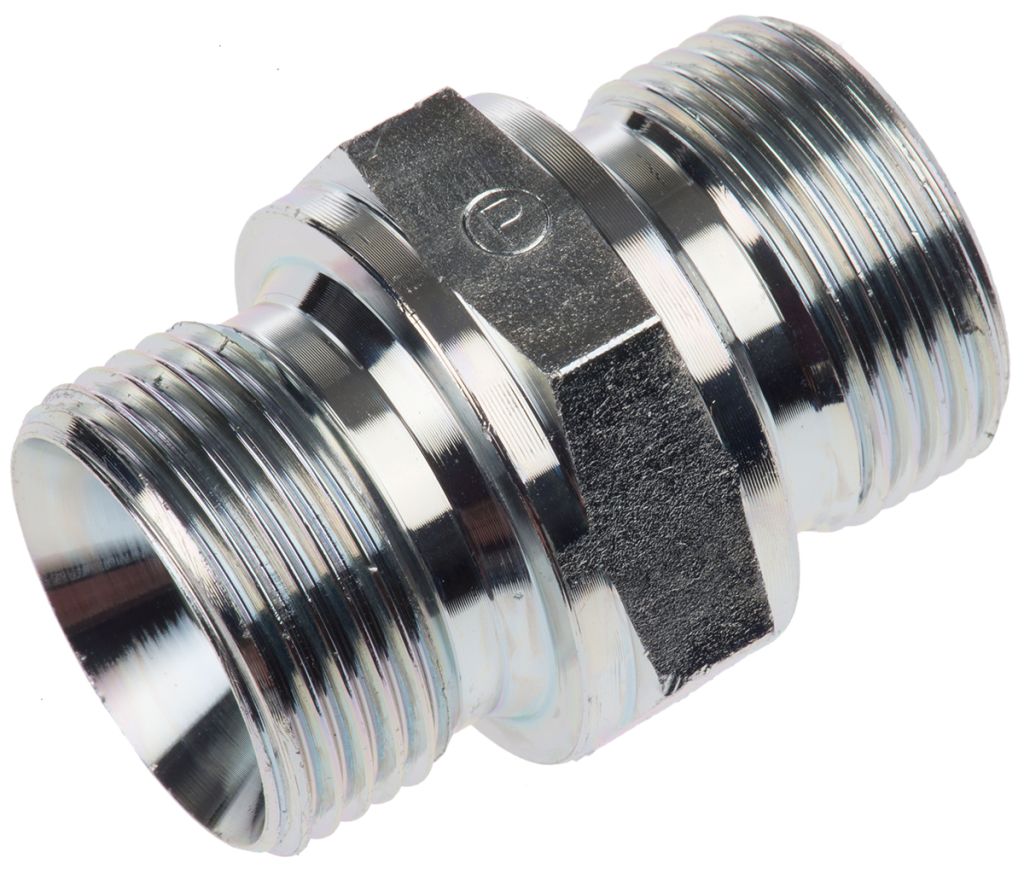
Understanding the differences between NPT and BSP threads often raises practical questions for engineers, technicians, and maintenance teams. Below are some of the most common questions and clear explanations.
15.1 Is NPT the Same as BSP?
No. NPT and BSP are completely different thread standards.
The main differences include:
-
Thread angle
-
Thread profile
-
Sealing methods
Because of these differences, NPT and BSP threads are not interchangeable, even when nominal sizes appear the same.
15.2 Can NPT Threads Fit BSP Threads?
Sometimes they may partially thread together, but they should never be used together in actual installations.
Reasons include:
-
Thread angle mismatch
-
Improper flank contact
-
Increased leakage risk
-
Potential thread damage
Even if the connection feels tight, it will not provide a reliable pressure seal.
15.3 Is BSP Metric or Imperial?
BSP threads are technically imperial-based, not metric.
Even though BSP is widely used in Europe and Asia, its sizing still follows inch-based nominal pipe sizes and threads per inch (TPI).
For example:
However, metric units may still be used in system documentation.
15.4 What Is the Difference Between BSPT and BSPP?
BSP has two main thread types:
BSPT (British Standard Pipe Tapered)
-
Tapered thread (1:16 taper)
-
Seals through thread interference
-
Similar concept to NPT but different geometry
BSPP (British Standard Pipe Parallel)
-
Straight thread
-
Seals using:
Threads only provide mechanical clamping force.
15.5 Do NPT Threads Always Need Sealant?
In most applications, yes.
NPT typically requires:
-
PTFE (Teflon) tape
-
Pipe thread compound
Sealant helps:
However, NPTF (Dryseal) threads are designed to seal without sealant under proper conditions.
15.6 How Can I Identify NPT vs BSP Quickly?
The easiest way is to check:
1️⃣ Thread angle
2️⃣ Taper vs parallel
-
Tapered → NPT or BSPT
-
Parallel → BSPP
3️⃣ Threads per inch (TPI)
Using a thread gauge and caliper provides the most reliable identification.
15.7 Can You Convert NPT to BSP?
Yes, using certified NPT-to-BSP adapters.
Adapters allow systems with different thread standards to connect safely without damaging threads.
However:
-
Adapters must be pressure-rated
-
Proper sealing methods must be used
-
Excessive adapters should be avoided in critical systems
15.8 Why Do Engineers Sometimes Avoid Pipe Threads?
In high-performance systems, engineers often prefer:
These alternatives:
Pipe threads are still widely used but may not be ideal for every application.
15.9 Which Thread Standard Is More Common Worldwide?
Globally:
Therefore, compatibility issues frequently arise in international projects where equipment is sourced from different regions.
15.10 What Is the Safest Practice When Unsure?
If you are unsure about the thread type:
-
Do not force the connection
-
Measure thread pitch and diameter
-
Check taper
-
Use a thread gauge
-
Consult manufacturer specifications
When in doubt, always verify before installation.
Conclusion
NPT and BSP threads may look similar, but they are fundamentally different in geometry, sealing methods, and standards. Understanding these differences is essential for engineers working with piping, hydraulic systems, gas distribution, and industrial equipment.
NPT threads, defined by ASME B1.20.1, use a 60° angle and tapered interference sealing, while BSP threads follow the 55° Whitworth profile and may be tapered (BSPT) or parallel (BSPP). These differences mean that the two thread systems are not interchangeable, even if nominal sizes and thread counts appear similar.
Incorrectly mixing NPT and BSP threads can lead to leakage, mechanical damage, and safety hazards — especially in high-pressure or hazardous systems. For international projects, engineers should always verify thread standards during design, procurement, and installation stages.
By understanding thread geometry, using proper measurement tools, and following recognized standards, engineers can ensure reliable connections and avoid costly mistakes in piping systems.
Ultimately, selecting the correct thread standard is not just a technical detail — it is a critical step in maintaining system integrity, safety, and long-term performance.


 Automation System
  Energy Engineeing
  Instrumentation System
  Mechanical Engineering
  Piping Technologies
  Transportations
  Manufacturing
  Training Material