Global Technical Regulations in the Digital Age
As the world embraces digital transformation, global technical regulations are evolving to accommodate emerging technologies, data-driven systems, and the interconnected nature of modern industry. Traditional regulatory frameworks must now address cybersecurity risks, artificial intelligence (AI), cloud computing, and digital product life cycles—all of which demand new forms of harmonization and oversight.
1. The Rise of Smart Manufacturing and Industry 4.0
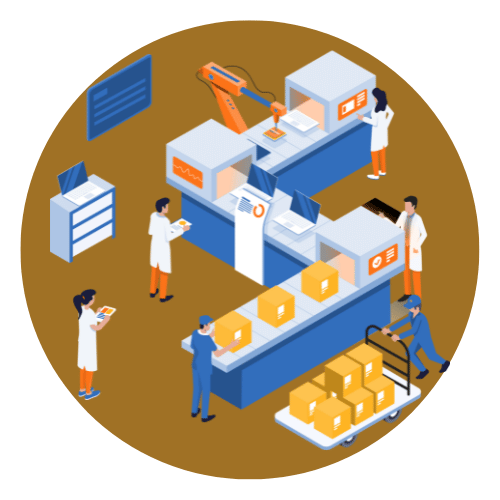
Industry 4.0 is characterized by intelligent, connected systems that integrate automation, data exchange, and machine learning. These technologies introduce challenges in maintaining safety, compatibility, and reliability across international borders.
How global technical regulations are adapting:
-
Standards for machine-to-machine communication protocols
-
Regulations addressing robotic safety and collaboration with humans
-
Guidelines for predictive maintenance and digital twins used in industrial design
Organizations like the IEC and ISO are working on smart manufacturing standards that can be integrated into GTRs for global use.
2. Cybersecurity and Data Protection in Connected Products
With the increasing prevalence of IoT devices, smart appliances, connected vehicles, and industrial control systems, cybersecurity is now a fundamental concern in global compliance.
Key developments:
-
IEC 62443: Industrial network and system security standard
-
ISO/IEC 27001: Global framework for information security management systems
-
Initiatives to include cybersecurity testing and certification in automotive GTRs (e.g., UNECE WP.29’s Cybersecurity Regulation for vehicles)
Global technical regulations are increasingly integrating cybersecurity mandates to protect digital infrastructure and user privacy.
3. Artificial Intelligence and Algorithm Governance
AI-driven technologies—from autonomous vehicles to diagnostic software—are challenging traditional regulatory models. AI introduces dynamic behavior and decision-making that can’t always be anticipated by static technical criteria.
Current trends:
-
OECD AI Principles influencing international rule-making
-
Early drafts of global regulations for AI transparency, bias mitigation, and model validation
-
Efforts to harmonize definitions of “high-risk AI” and its applicable standards
Although in early stages, the future of global technical regulations will almost certainly include dedicated sections on AI safety and ethics.
4. Cloud-Based Systems and Cross-Border Data Flows
Software-defined products, including medical devices, factory controllers, and telecommunication infrastructure, now often rely on cloud services. This raises questions about performance validation, downtime risks, and data sovereignty.
Key regulatory questions:
-
Where is compliance assessed—in the software, the hardware, or the cloud layer?
-
How can real-time updates and patches be certified under fixed technical rules?
-
How do global regulations enforce data residency and transfer standards?
Organizations like ISO/IEC JTC 1 are addressing these challenges through evolving standards for digital platforms and services.
5. Blockchain and Traceability in Compliance
Blockchain is being explored as a tool to enhance transparency and integrity in regulatory compliance. It enables decentralized tracking of product certifications, quality checks, and supply chain provenance.
Applications in global technical regulations:
-
Traceability of raw materials in pharmaceuticals or food supply chains
-
Verification of test data and audit trails for high-risk components
-
Digital passports for products—embedding certification and regulatory data in blockchain records
6. The Need for Agile and Adaptive Regulation
In the digital age, regulation must evolve as rapidly as the technologies it governs. This shift is pushing regulatory bodies to adopt:
-
Outcome-based regulation instead of prescriptive rules
-
Regulatory sandboxes to test new tech under controlled conditions
-
Real-time compliance monitoring using AI and IoT sensors
Global regulatory ecosystems are moving toward more dynamic, data-informed frameworks that enable continuous alignment with technological change.
As digital technologies redefine how products are designed, produced, and operated, global technical regulations must keep pace. By incorporating digital elements into regulatory structures, stakeholders can ensure that safety, security, and interoperability remain strong pillars of global innovation and industrial growth.
 Automation System
  Energy Engineeing
  Instrumentation System
  Mechanical Engineering
  Piping Technologies
  Transportations
  Manufacturing
  Training Material